
Low Incidence Pest Plants
Protecting Our Native Biodiversity - Before It's Too Late!
In Auckland, Low Incidence Pest Plants (LIPPs) are introduced species that are currently rare and found in only a few locations. But don’t be fooled by their low numbers, these plants have the potential to spread rapidly and wreak havoc on native ecosystems if left unchecked.

Why eradication of LIPPs Matters
-
Silent invaders: These plants may seem harmless due to their low visibility, but they pose a significant risk of becoming widespread.
-
Ecological disruption: If unmanaged, LIPPs can dominate ecosystems, outcompete native flora, and reduce access to natural areas.
-
Economic and social impact: Infestations can lead to costly control efforts, loss of biodiversity, and community disruption.
Find out more about eradicating low incidence pest plants at the Auckland Council webpage link below.
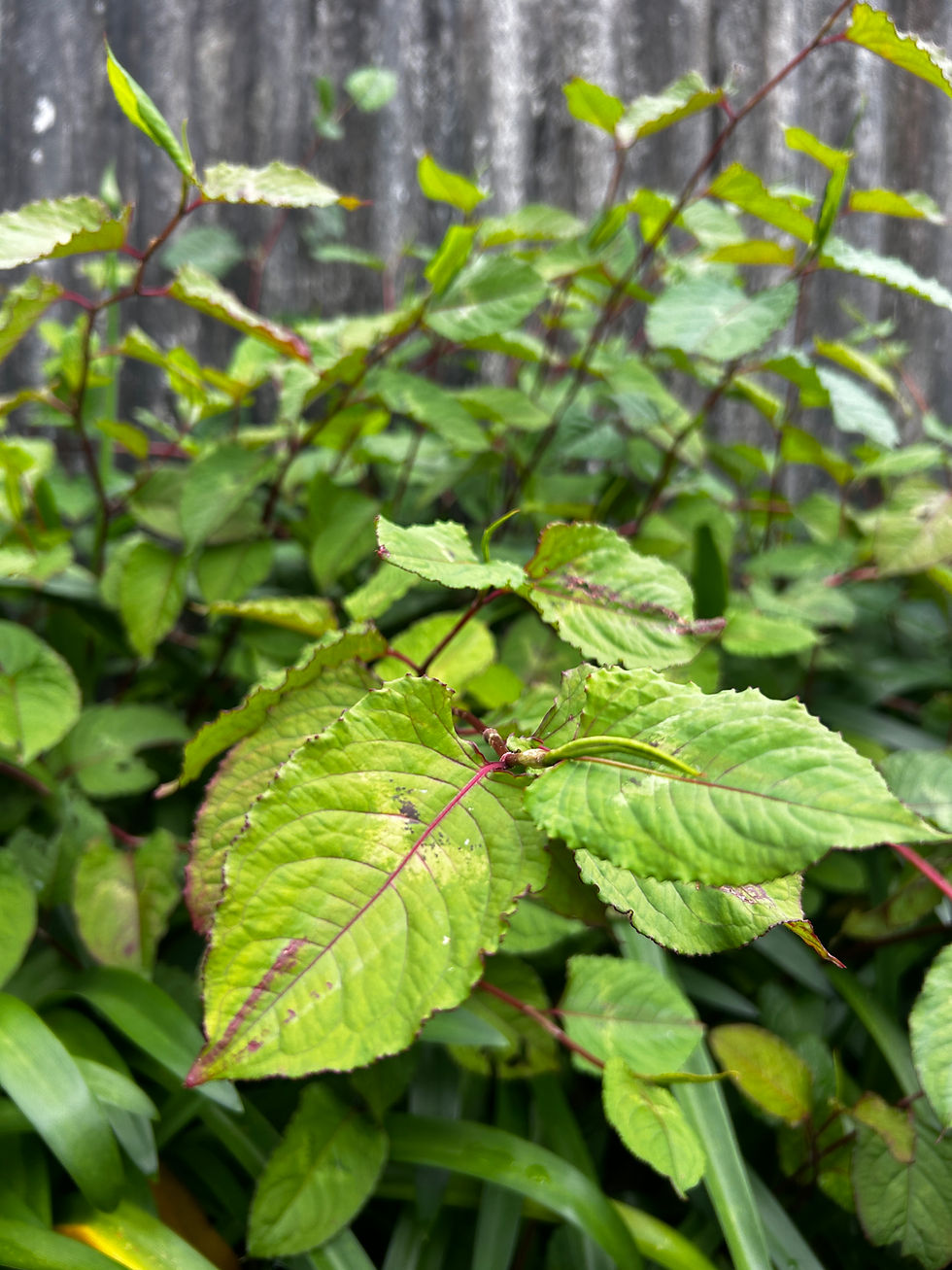
Our Mission to Eradicate Chinese Knotweed
One such example of a LIPPS species is Chinese Knotweed (Persicaria chinensis), also known as Liane rouge, red bush, or huo tan mu. Although it has been removed from the Auckland Council’s official list, it remains active in areas like Kaipātiki. Without swift action, we risk facing a large-scale infestation.
We are here to help. To support our community’s efforts, PFK staff are engaging some property owners to:
-
Learn about their experiences in managing Chinese Knotweed
-
Offer friendly advice and practical support
-
Answer any questions you may have.
We will be releasing a series of videos on this webpage to educate and provide awareness of how you can help. If you have story to share about your challenges or triumphs with this LIPP species, we'd love to know. Together, we can stop the spread of Low Incidence Pest Plants before they become unmanageable.
How to Identify Chinese Knotweed
Report Chinese Knotweed Infestation
If you have spotted Chinese Knotweed growing in Kaipātiki or elsewhere in Auckland and wish to report it, please fill out the online report form.
If you live outside of Kaipātiki, you may also wish to contact your local pest free society, ecohub or other community and environment support service.